
Russia rejects Danish account, accuses helicopter of "dangerous manoeuvres"
Moscow broke its silence September 15, claiming Danish helicopters provoked the encounter — the first competing narrative since the flare incident.
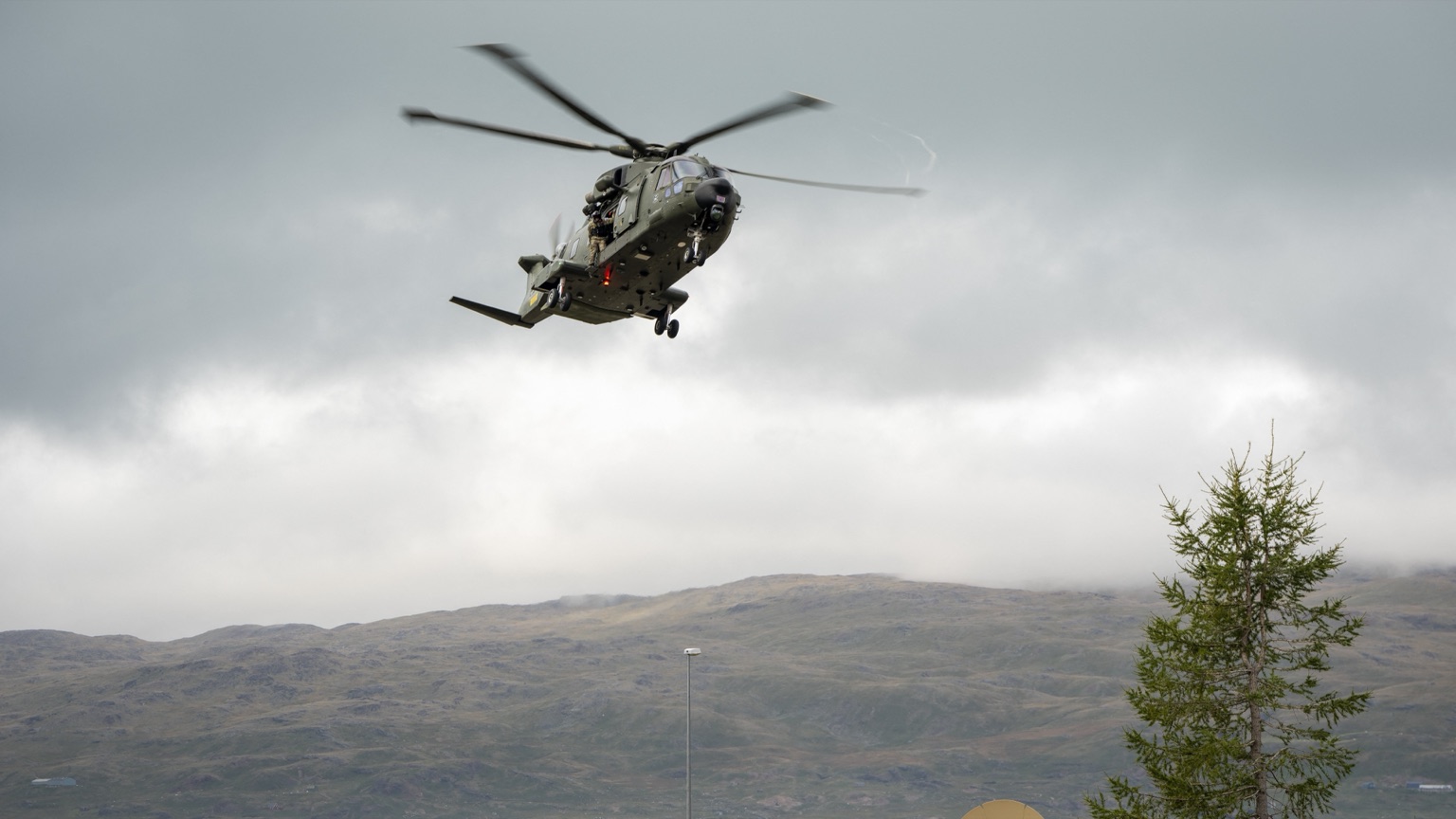
Quick summary
Russia responded publicly for the first time on September 15, accusing Danish military helicopters of conducting "dangerous manoeuvres" near its warships in the Baltic Sea. Russia's ambassador to Denmark delivered an official note to Copenhagen complaining about such incidents and said Moscow is investigating. Danish Prime Minister Mette Frederiksen called the Russian frigate's actions "reckless" and aimed at intimidating NATO, while Foreign Minister Lars Løkke Rasmussen described them as "absolutely unacceptable." NATO labeled the flare firing "irresponsible."
Key points
- Russia now disputes Denmark's framing: Moscow accuses the Danish helicopter of provoking the incident with dangerous flying.
- The Russian ambassador delivered a formal note to Copenhagen and said an investigation is underway.
- Denmark's Prime Minister and Foreign Minister both condemned the frigate's actions as reckless and unacceptable.
- NATO issued a statement calling the Russian flare firing irresponsible.
- A military analyst at the University of Copenhagen argued the incident does not constitute an attack under international law because no weapons were used.
How it unfolded
- New
The encounter
A Russian frigate fires two flares toward a Danish military helicopter over international waters near Gedser. One passes close to the aircraft.
- New
First reports
Danish outlet Ekstra Bladet breaks the story. Denmark's Defence Command issues an official statement later the same day.
- New
Denmark confirms the incident
Danish officials publicly confirm the account and describe the encounter as serious and unprecedented for Denmark.
- New
Russia's ambassador is summoned
Copenhagen summons the Russian ambassador — the first formal diplomatic step.
- ChangedContested
International coverage picks it up
Reuters, AP and other international outlets carry the story, and the framing begins to diverge from the Danish statement it is all sourced to.
- New
Russia has not responded
No public comment or competing account from Moscow, which leaves the Danish version as the sole source for every report so far.
- New
Russia responds and disputes Danish account
Russia's ambassador accuses Danish helicopters of dangerous manoeuvres near Russian warships, hands Copenhagen a formal note, and says Moscow is investigating.
- New
Denmark's leaders condemn the incident
Prime Minister Mette Frederiksen calls the Russian action reckless and aimed at intimidation; Foreign Minister Lars Løkke Rasmussen calls it absolutely unacceptable.
- New
NATO calls the flare firing irresponsible
NATO issues a statement labeling the firing of flares toward the Danish helicopter an irresponsible act by Russia.
- NewContested
Debate over whether incident is an 'attack'
A military analyst at the University of Copenhagen argues the incident does not constitute an attack under international law because no weapons were used, highlighting definitional debate.
Claim tracker
10 confirmed · 2 contested · 1 unverified
- Confirmed
A Russian frigate fired two flares toward a Danish military helicopter near Gedser on September 14.
All outlets agree on the core incident; Russia disputes the characterization but does not deny flares were fired.
13 agreeing - Confirmed
One flare passed close to the aircraft; no crew were injured and the helicopter was not damaged.
13 agreeing - Confirmed
Denmark summoned Russia's ambassador following the incident.
13 agreeing - Confirmed
This is the first incident of its kind involving Denmark.
Defence Minister Troels Lund Poulsen stated this is the first such incident to his knowledge.
3 agreeing - Confirmed
Russia accuses Danish helicopters of dangerous manoeuvres near its warships.
Russia's ambassador and Russian media state this position, reported by Reuters, UA.News, Armenpress and others.
5 agreeing - Confirmed
Russia handed Denmark a formal diplomatic note complaining about the helicopter encounters.
Reuters and UA.News report the ambassador delivered an official note.
2 agreeing - Confirmed
Russia is investigating the incident.
Reuters and Armenpress report Moscow says it is investigating.
2 agreeing - Confirmed
NATO called the flare firing an irresponsible act by Russia.
Ukrainska Pravda reports NATO issued this statement.
1 agreeing - Confirmed
One flare passed within a matter of metres of the helicopter.
Reuters reports Danish military specified this distance.
1 agreeing - Confirmed
The Russian frigate gave no radio warning before firing flares.
Reuters reports Denmark said there was no radio warning.
1 agreeing - Contested
The incident is part of a wider Russian hybrid-warfare campaign against NATO states.
Geopolitical Futures and Anadolu Agency frame it within broader Russian pressure; others report facts without attributing strategic intent.
2 agreeing - Contested
The incident does not constitute an attack under international law because no weapons were used.
A military analyst at the University of Copenhagen asserts this; not a consensus legal view.
1 agreeing - Unverified
The Russian vessel involved has been identified.
No outlet names the specific frigate.
0 agreeing
What we still don't know
- Which Russian frigate was involved, and whether either side will name it.
- What exactly the Danish helicopter did that Russia characterizes as dangerous manoeuvres.
- What Russia's investigation will conclude, and whether findings are made public.
- Whether video, imagery or radar data from the encounter is ever released by either side.
- How NATO or individual member states will respond beyond the verbal condemnation.
- Whether this marks a new pattern of Russian behavior in the Baltic, or remains isolated.
- What the formal Russian note delivered to Copenhagen says in full.
Russian pressure in the Baltic
Sources analysed
8 outlets in the analysed roster.
- The Copenhagen Post — Russian frigate fires flares near Danish military helicopter in international waters
- AeroTime — Russian frigate fires flares at Danish Fennec helicopter in Baltic Sea
- Ukrainska Pravda — NATO calls Russia's firing of signal flares at Danish helicopter "irresponsible"
- Fakti — Russian frigate fires flares at Danish military helicopter near Gedser
- Reuters — Russian frigate fires flares towards Danish military helicopter, Denmark says
- Reuters — Russia accuses Danish military helicopters of making dangerous manoeuvres near its warships, RIA reports
- UA.News — Denmark summoned the Russian ambassador over an incident involving a frigate and a military helicopter
- Anadolu Agency — Denmark summons Russian ambassador after frigate allegedly fires flares at military helicopter